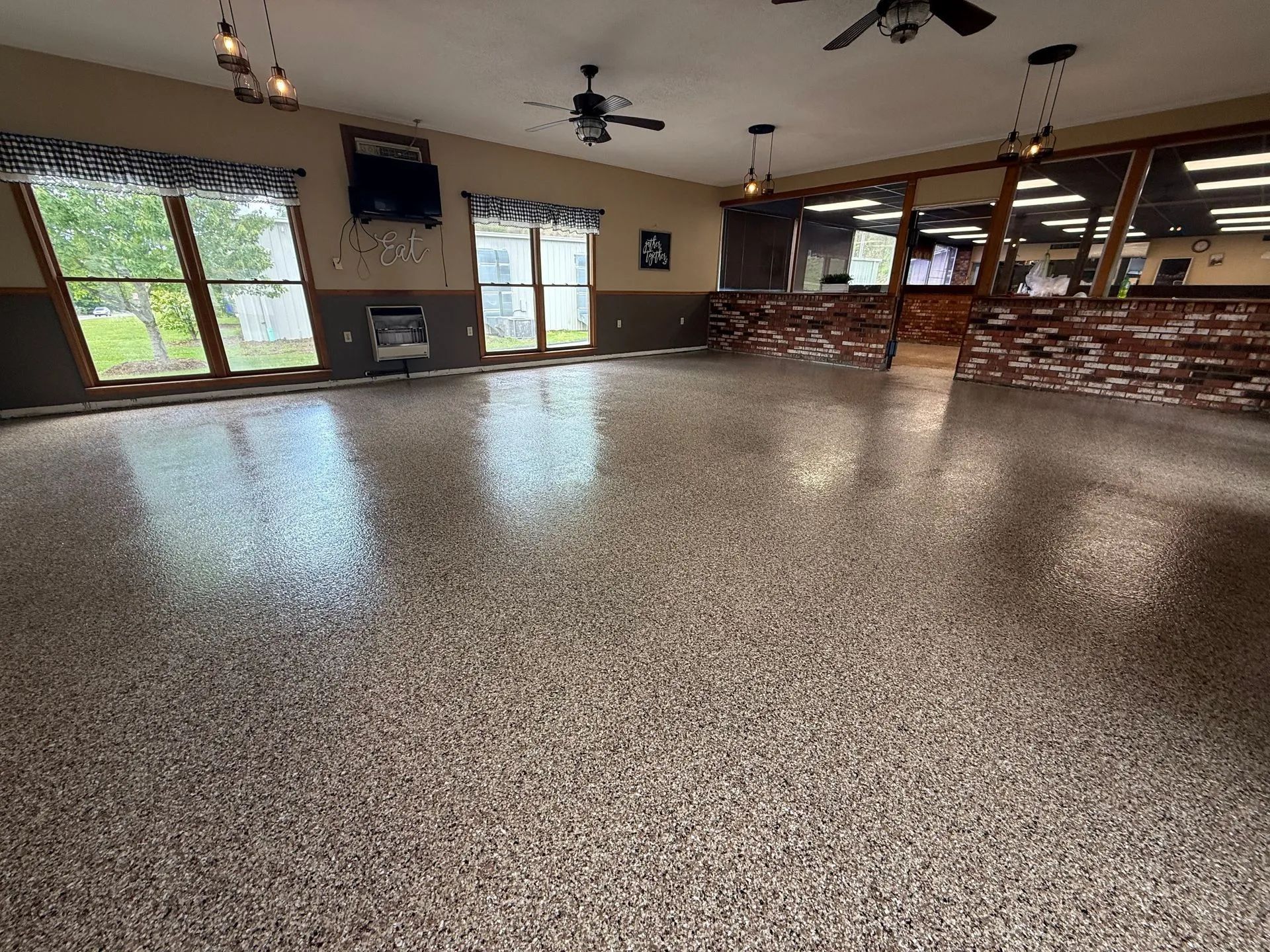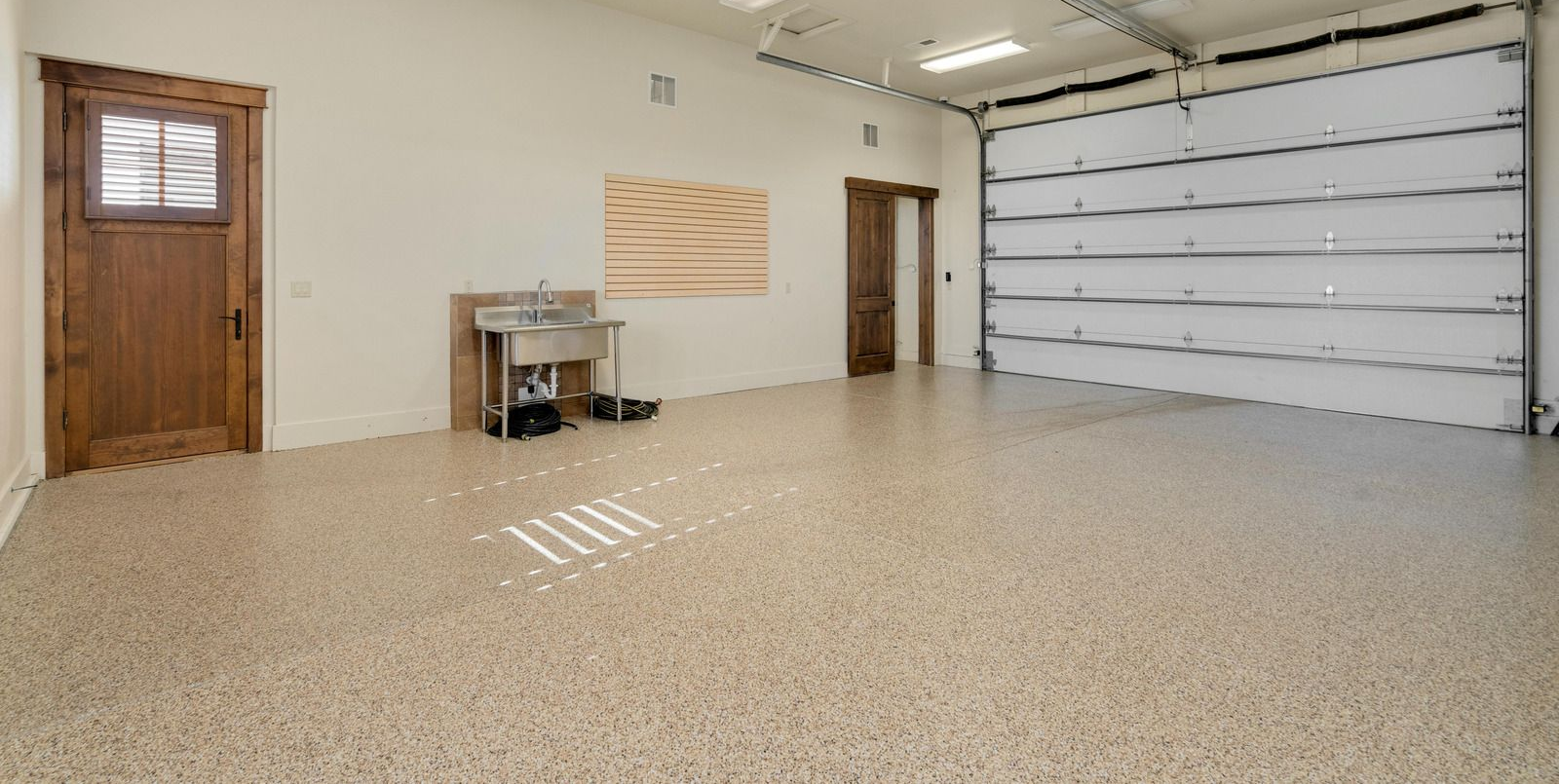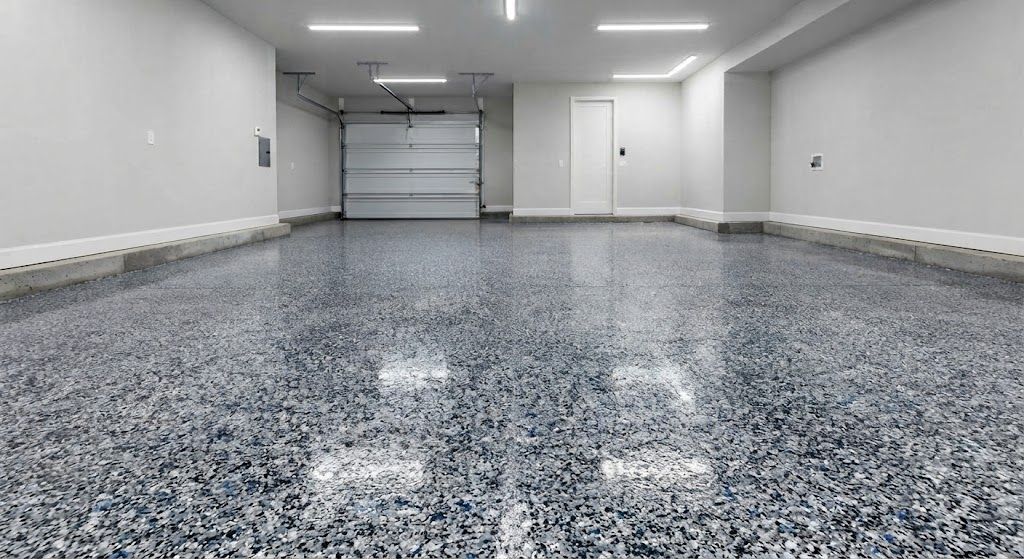
Transform Your Home with Stained Flooring: Expert Tips for Long-Lasting Results
Stained flooring has become one of the most sought-after solutions for homeowners looking to combine durability, elegance, and long-term value. From modern residential interiors to high-traffic commercial spaces, stained concrete and decorative flooring systems offer a refined appearance while maintaining impressive resilience. As design trends continue to favor low-maintenance yet visually striking surfaces, stained flooring stands out for its ability to enhance aesthetics without sacrificing performance. Homeowners now recognize the importance of flooring systems that not only complement interior design but also withstand years of daily wear, moisture exposure, and heavy foot traffic.
The growing demand for customized interiors has also increased interest in
professionally stained flooring applications. With a wide range of color options, finishes, and textures available, stained flooring can transform ordinary surfaces into sophisticated focal points. However, achieving long-lasting results requires more than selecting the right stain color. Surface preparation, material quality, sealing methods, and ongoing maintenance all play critical roles in determining durability and appearance over time. Understanding the proper techniques and expert recommendations can help property owners maximize the lifespan and beauty of stained floors while avoiding costly repairs, premature fading, and surface deterioration in the future.
Understanding the Benefits of Stained Flooring
Why Stained Flooring Continues to Gain Popularity
Stained flooring has evolved beyond industrial spaces and now plays a major role in residential and commercial interior design. Homeowners appreciate its versatility, while contractors value its durability and low-maintenance qualities. Unlike traditional flooring materials that may peel, chip, or require replacement over time, stained concrete penetrates deeply into the surface, creating a long-lasting finish that becomes part of the floor itself.
One major advantage is customization. Acid-based and water-based stains allow property owners to create unique finishes ranging from earthy tones to contemporary polished appearances. Whether designing a rustic living room, modern kitchen, or upscale retail space, stained flooring provides flexibility that complements many architectural styles.
Long-Term Value and Performance
Stained flooring also offers strong long-term financial value. Because the existing concrete slab can often be enhanced instead of covered, installation costs may be lower than hardwood or tile replacements. In addition, properly sealed stained floors resist stains, moisture, and abrasion better than many traditional flooring materials.
For households with pets, children, or heavy foot traffic, stained floors provide a practical solution. Dust and allergens do not become trapped within the surface, making maintenance simpler and supporting improved indoor cleanliness. These benefits contribute to the growing popularity of stained flooring among homeowners seeking both beauty and functionality.
Preparing the Surface for Successful Staining
The Importance of Proper Floor Preparation
One of the most critical factors in achieving durable, stained flooring results is proper surface preparation. Even the highest-quality stains and sealers cannot compensate for poorly prepared concrete. Before staining begins, the floor must be evaluated for cracks, moisture issues, contaminants, and previous coatings that may interfere with stain penetration.
Professional contractors typically begin by cleaning the surface thoroughly to remove grease, adhesives, dust, and debris. Mechanical grinding or shot blasting may also be necessary to open the concrete pores and create an even surface profile. Skipping this step often leads to uneven coloring, blotchy finishes, or premature coating failure.
Identifying Common Flooring Challenges
Many homeowners underestimate the impact of existing floor conditions. For example, moisture vapor rising through concrete can weaken sealers and create discoloration over time. Similarly, hairline cracks and surface imperfections may become more visible after staining if not properly repaired beforehand.
In older homes, contractors frequently encounter hidden contaminants such as paint residue, carpet adhesive, or oil stains. These materials can prevent consistent stain absorption and negatively affect the final appearance. Addressing these issues before application helps ensure a more professional and uniform finish.
Real-World Preparation Example
Consider a basement renovation where an existing concrete slab has years of paint buildup and minor water damage. Attempting to stain the floor without preparation could result in uneven coloration and peeling sealers within months. However, grinding the surface, repairing cracks, and resolving moisture issues creates a stable foundation for long-lasting performance.
Careful preparation not only improves appearance but also protects the investment by extending the life of the flooring system.
Choosing the Right Stain and Finish
Understanding Different Types of Concrete Stains
Selecting the appropriate stain is essential for achieving the desired appearance and durability. The two most common options are acid-based stains and water-based stains, each offering distinct advantages.
Acid stains chemically react with minerals in the concrete to produce rich, variegated tones. These stains create natural marbling effects that work well in rustic or decorative environments. Because the reaction varies across the surface, every floor develops a unique appearance.
Water-based stains, on the other hand, provide more predictable color consistency and a wider selection of shades. These stains are ideal for homeowners seeking modern aesthetics, vibrant colors, or custom decorative patterns.
Matching the Finish to the Environment
The final finish plays an equally important role in both appearance and durability. High-gloss sealers can create a polished, upscale look suitable for showrooms or contemporary interiors, while matte finishes provide a softer and more natural appearance.
Environmental conditions should also influence product selection. Areas exposed to moisture, such as kitchens, basements, and entryways, require sealers designed for enhanced water resistance. In high-traffic spaces, durable urethane or epoxy topcoats may offer superior abrasion protection.
Balancing Style and Functionality
Homeowners often focus primarily on color selection while overlooking functionality. For instance, a highly glossy surface may look attractive but become slippery in wet conditions if slip-resistant additives are not included. Similarly, lighter stain colors may show dirt more easily in busy households.
Professional guidance helps balance design preferences with practical performance considerations. Choosing products tailored to the intended use of the space significantly improves long-term satisfaction and durability.
Best Practices for Long-Lasting Flooring Results
Applying Stains Correctly
Even high-quality materials can fail when applied incorrectly. Achieving professional results requires careful attention to application methods, drying times, and environmental conditions. Uneven spraying, rushed drying, or inconsistent coverage can compromise both appearance and performance.
Experienced contractors often apply stains in multiple thin layers rather than a single heavy coat. This approach allows for better color control and more even penetration. Temperature and humidity also influence curing times, making controlled working conditions important during installation.
Protecting the Surface with Quality Sealers
Sealing is one of the most important steps in protecting stained flooring from damage. Without a durable protective layer, stains may fade due to UV exposure, moisture intrusion, or daily wear. Sealers create a barrier that enhances color depth while increasing resistance to chemicals, scratches, and spills.
Different environments require different sealing solutions. Residential living spaces may perform well with acrylic sealers, while garages or commercial settings often benefit from more robust polyurethane or epoxy systems.
Maintenance Strategies That Extend Lifespan
Long-lasting stained flooring depends heavily on proper maintenance. Fortunately, maintenance requirements are relatively simple compared to many other flooring materials. Regular sweeping and damp mopping help prevent abrasive debris from scratching the surface.
Harsh chemical cleaners should be avoided because they may damage protective sealers over time. Instead, pH-neutral cleaning products designed for decorative concrete surfaces are recommended. Reapplying sealers periodically also helps maintain appearance and protection.
Preventing Common Problems
One common issue homeowners face is neglecting small maintenance concerns until they become expensive repairs. For example, failing to reseal floors in high-moisture areas can eventually lead to dullness, staining, or surface deterioration.
Placing protective pads beneath furniture, cleaning spills promptly, and monitoring wear patterns can significantly extend the life of stained flooring systems. Preventive care is far more cost-effective than extensive restoration work later.
Professional Decorative Flooring Services Backed by Proven Experience
Stained flooring offers a powerful combination of beauty, durability, and long-term practicality for modern homes and commercial properties. From enhancing interior aesthetics to improving maintenance efficiency, professionally stained surfaces provide lasting value when installed and maintained correctly. Achieving reliable results requires careful planning, proper surface preparation, quality materials, and protective sealing systems tailored to the environment. Homeowners who invest in professional application and consistent maintenance can enjoy floors that retain their appearance and performance for many years.
At Iconic. Co LLC, we bring more than 20 years of industry experience to every decorative concrete and stained flooring project in Asheville, North Carolina. Our approach focuses on delivering durable, visually refined flooring solutions that align with both modern design expectations and long-term performance standards. We understand that every property has unique structural conditions, style preferences, and durability requirements, which is why we emphasize precision preparation, high-quality materials, and professional installation methods throughout every phase of the process.
Our stained flooring services are designed to enhance residential and commercial spaces with finishes that combine strength, elegance, and lasting value. From surface evaluation and custom stain selection to sealing and protective finishing, we prioritize craftsmanship and attention to detail at every stage. We remain committed to helping property owners achieve flooring systems that withstand daily wear while maintaining exceptional visual appeal. Through reliable service, technical expertise, and a strong commitment to quality, we continue to provide trusted concrete solutions that support long-lasting results for homes and businesses throughout the Asheville area.