How to Choose the Right Epoxy Flooring Installer for Your Space?
How to Choose the Right Epoxy Flooring Installer for Your Space?
Epoxy flooring has emerged as one of the most durable and aesthetically appealing solutions for residential, commercial, and industrial spaces. Its resilience against heavy foot traffic, chemical spills, and wear-and-tear makes it a preferred choice for modern interiors and work environments. Beyond its functional advantages, epoxy offers a sleek, polished appearance that can transform any space into a sophisticated, professional, or contemporary area. However, achieving a flawless epoxy floor goes beyond selecting the right materials; the expertise of the installer is equally critical. Choosing the wrong installer can lead to issues such as peeling, bubbling, uneven surfaces, or premature deterioration, ultimately increasing long-term maintenance costs.
Selecting the right epoxy flooring installer requires careful research, attention to detail, and an understanding of what defines quality workmanship in this specialized industry. Factors like experience, certifications, portfolio quality, and attention to surface preparation directly impact the longevity and performance of the flooring. In this guide, we will explore actionable strategies and practical considerations for identifying a reliable epoxy flooring installer, examining key aspects from technical skills to project management. By the end, readers will have a clear framework for making informed decisions that ensure durable, high-quality results tailored to their specific space.
1. Evaluate Experience and Expertise
Understanding Industry Experience
Experience is one of the most reliable indicators of capability in the epoxy flooring industry. Installers with extensive hands-on experience are better equipped to handle diverse surfaces, anticipate potential complications, and adapt techniques to specific project requirements. Look for professionals who have completed projects similar in size, scope, and environment to your space. Industrial warehouses, for instance, demand high-durability coatings resistant to chemical exposure, while residential garages may require a focus on aesthetics and anti-slip properties.
Specialized Knowledge Matters
Expertise is not just about years in the business but also specialized knowledge of epoxy formulations, curing processes, and substrate compatibility. Installers with proficiency in multi-layer coatings, metallic epoxy finishes, or decorative flakes can provide solutions that enhance both functionality and visual appeal. Missteps in mixing ratios, curing times, or surface preparation can compromise adhesion and appearance, so ensuring specialized knowledge is critical for long-term success.
Signs of Proven Experience
Indicators of proven experience include documented portfolios, references from past clients, and familiarity with local building codes and safety regulations. Reliable installers should also be comfortable discussing challenges faced in past projects and how they overcame them, demonstrating both practical expertise and problem-solving abilities.
2. Verify Certifications and Training
Importance of Certification
Certified installers have undergone formal training and rigorous assessments that validate technical skills, safety knowledge, and adherence to industry standards. Certifications from recognized organizations or epoxy manufacturers ensure comprehensive understanding of proper installation techniques, safety practices, and correct material handling procedures, even under challenging conditions. This reduces the risk of improper applications that could result in delamination, cracking, uneven surfaces, or premature wear over time.
Manufacturer Endorsements
Installer endorsements from reputable epoxy manufacturers provide an additional indicator of credibility, reliability, and expertise in working with specific products. Manufacturers often provide specialized hands-on training on their product lines and certify professionals who consistently meet rigorous quality and performance standards. Working with a certified and endorsed installer can also simplify warranty claims if issues arise, providing added protection, peace of mind, and long-term value for the flooring investment.
Continuous Learning and Updates
The epoxy flooring industry continues to evolve rapidly with ongoing advancements in materials, coatings, tools, and installation techniques. Installers committed to continuous education, attending workshops, and maintaining updated certifications demonstrate dedication to staying current and mastering modern methods. This ongoing learning translates into superior craftsmanship, innovative solutions for complex projects, and the ability to apply advanced techniques that maximize durability, aesthetics, and overall flooring performance.
3. Assess Portfolio and Past Projects
Reviewing Project Portfolios
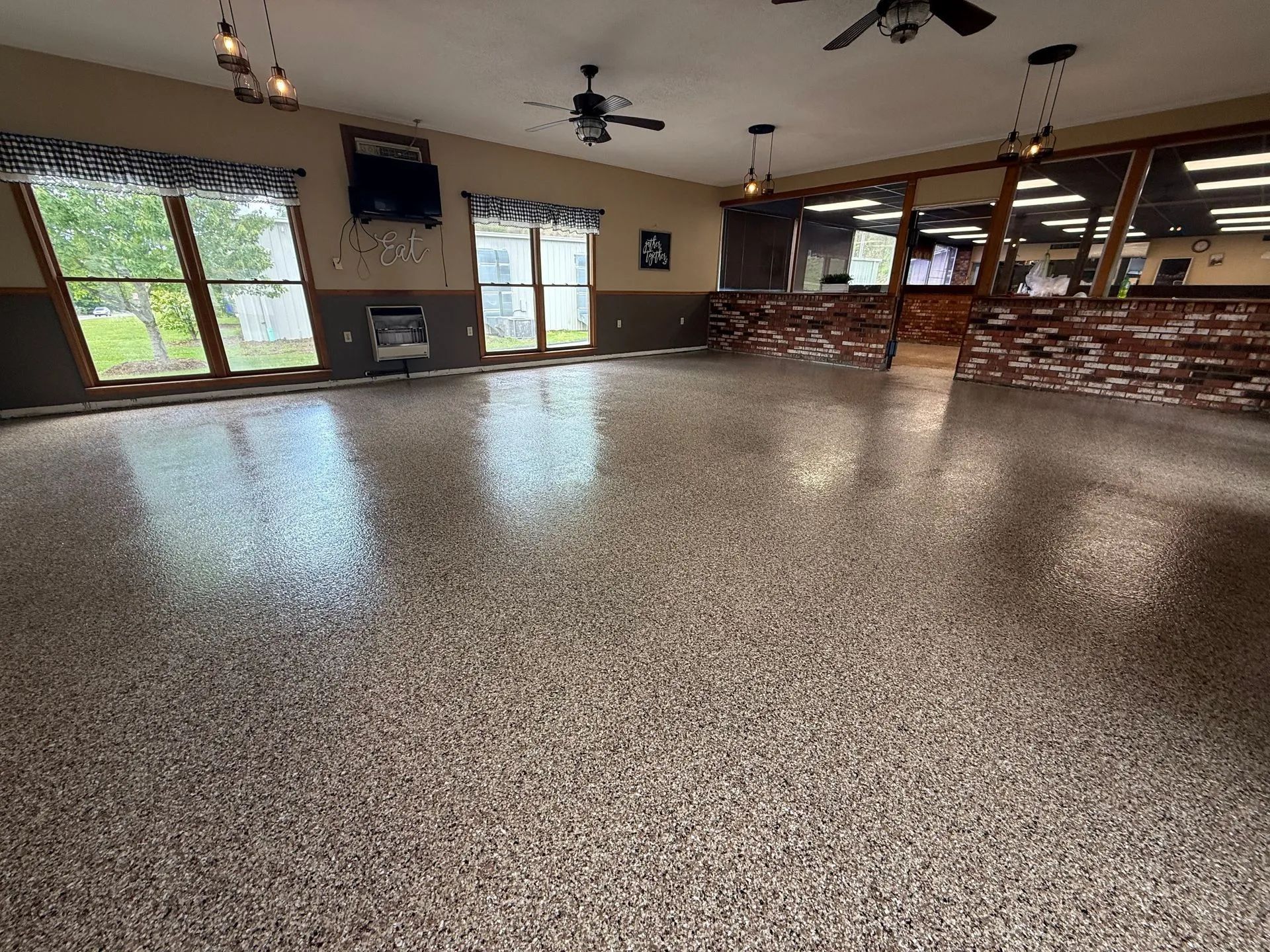
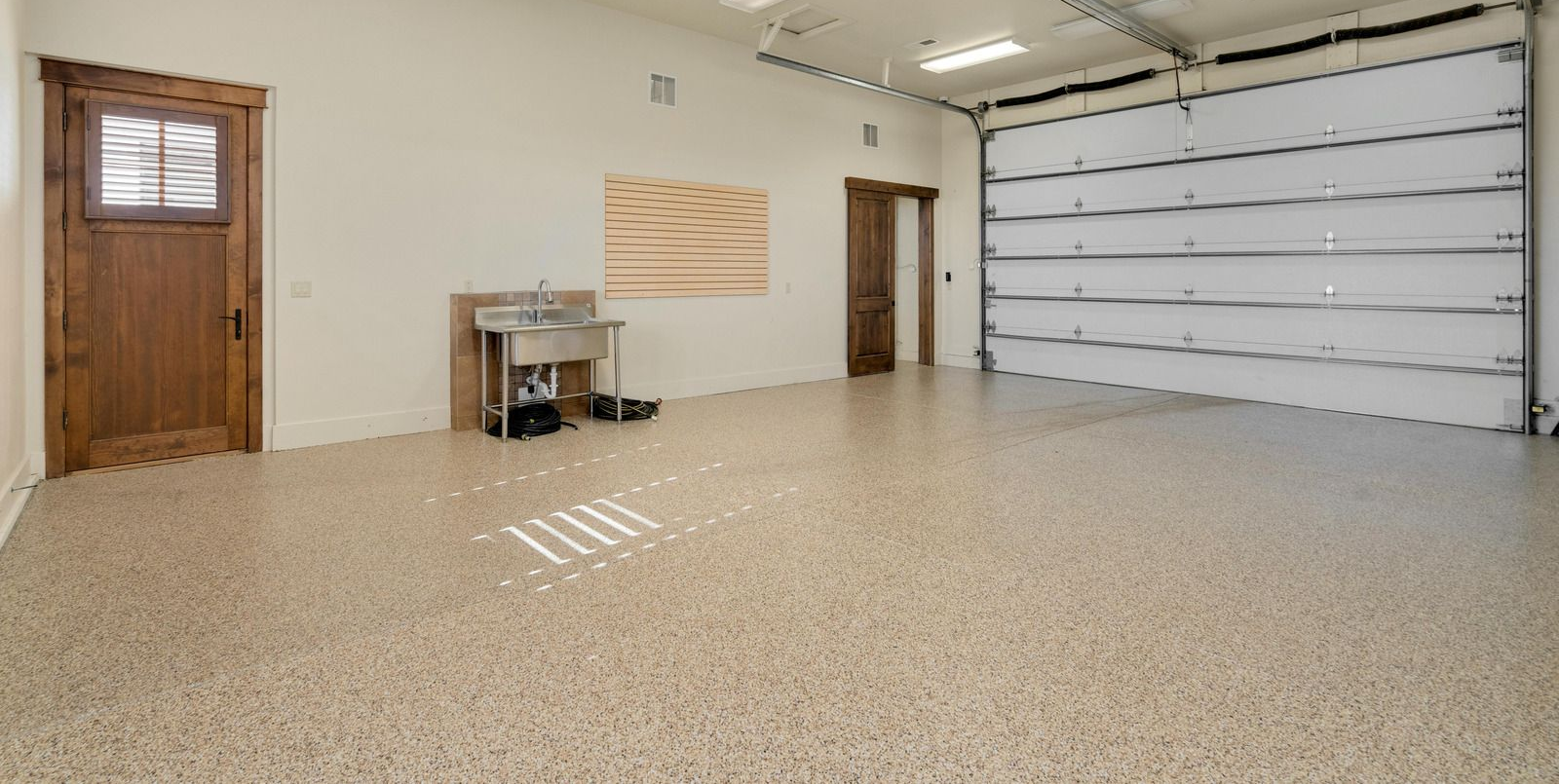
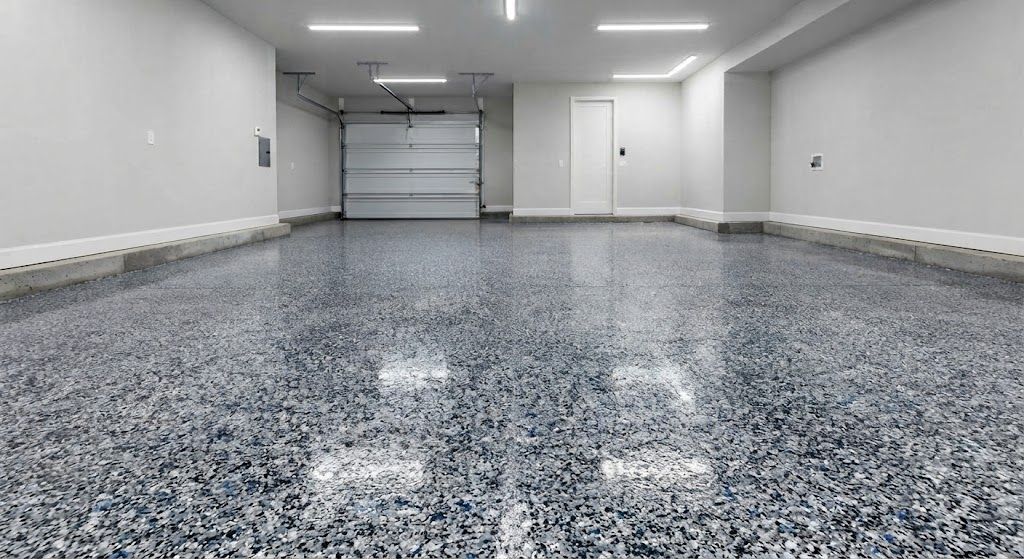
A strong portfolio showcases both technical skill and aesthetic sensibility, providing tangible evidence of craftsmanship and attention to detail. Examine past projects for consistency in finish quality, precise workmanship, attention to detail, and diversity of applications. High-quality portfolios should include residential, commercial, and industrial examples that illustrate capability across various surfaces, conditions, and design requirements for different environments.
Client Testimonials and Reviews
Online reviews and testimonials provide valuable insight into client satisfaction, communication skills, and overall project management abilities. Look for patterns of positive feedback regarding timeliness, adherence to budget, problem-solving abilities, and responsiveness throughout the project duration. Consistently strong reviews indicate reliability, professionalism, and a commitment to maintaining high standards on every installation.
Site Visits and References
Requesting references and, if possible, visiting completed project sites can offer firsthand insight into long-term durability, finish quality, and overall client satisfaction. Observing epoxy surfaces in real-world conditions allows evaluation of aspects that photos or videos may not fully capture, such as gloss retention, slip resistance, texture consistency, and wear patterns over time.
4. Evaluate Surface Preparation and Installation Process
Importance of Proper Surface Preparation
The longevity of epoxy flooring is heavily influenced by thorough surface preparation and precise pre-installation procedures. Substrate cleaning, crack repairs, moisture testing, leveling, and priming are critical steps that affect adhesion and prevent future issues like bubbling, peeling, or discoloration. Inadequate preparation is a leading cause of epoxy failure, making careful process evaluation essential when selecting a qualified installer.
Installation Techniques and Best Practices
Effective installers employ precise techniques for mixing, applying, and curing epoxy coatings under controlled conditions. Factors such as ambient temperature, humidity, mixing ratios, and application methods must be carefully managed to ensure uniform coverage, consistent thickness, and optimal bonding strength. Professionals should clearly explain the process, including the use of rollers, squeegees, trowels, or spike rollers, and how multiple layers are applied to achieve desired durability.
Timeline and Quality Control
An installer’s workflow should include well-structured timelines, checkpoints, and quality control measures throughout the installation process. Allowing sufficient curing time between layers, consistent inspection during application, and thorough post-installation evaluation ensures the flooring meets both aesthetic and performance standards. Proper planning prevents rushed applications that could compromise durability, finish quality, and long-term floor performance.
5. Consider Material Knowledge and Recommendations
Understanding Epoxy Types
Epoxy flooring comes in various formulations, including water-based, solvent-based, metallic, and polyaspartic hybrids, each offering distinct characteristics. Each type has unique advantages, limitations, maintenance requirements, and suitable applications for specific environments. A knowledgeable installer should provide informed recommendations based on practical needs, such as chemical resistance, impact resistance, UV stability, longevity, and overall visual appeal.
Matching Materials to Space Requirements
The installer should carefully evaluate environmental factors like moisture content, temperature fluctuations, traffic levels, and operational conditions before recommending materials. Industrial areas may require high-thickness, chemical-resistant coatings for heavy-duty use, while decorative residential flooring may prioritize aesthetics, scratch resistance, and non-slip finishes. Correct material selection directly impacts both long-term performance and customer satisfaction.
Educating Clients
A skilled installer educates clients about product properties, maintenance requirements, and potential installation challenges, helping them make informed decisions. Transparent discussions about material benefits, installation costs, expected lifespan, and realistic expectations prevent misunderstandings and ensure long-term satisfaction with the flooring investment. Proper education strengthens confidence and enhances trust in the installation process.
6. Communication, Transparency, and Warranty
Effective Communication
Clear and consistent communication throughout the entire project lifecycle is vital for achieving desired results. Installers should provide detailed quotes, thoroughly explain processes, address all client questions, and provide timely updates during installation. Open and transparent communication ensures alignment on expectations, minimizes misunderstandings, and fosters a professional working relationship throughout the project.
Transparent Pricing and Contracts
Transparent pricing structures protect clients against unexpected costs and financial surprises during the project. Detailed contracts should outline scope of work, materials used, project timelines, cleanup responsibilities, warranties, and payment schedules. Understanding these key elements beforehand ensures clarity, accountability, and smooth project execution from start to finish.
Warranty and Aftercare
A robust warranty signals confidence in workmanship, materials, and installation quality. Installers offering warranties typically adhere to higher standards, as coverage is contingent on proper application methods. Post-installation support, including guidance on cleaning, maintenance, and minor repairs, further ensures the longevity, durability, and continued performance of epoxy flooring over time.
Trusted Specialists Committed to Exceptional Flooring Results
Choosing the right epoxy flooring installer requires a careful blend of technical knowledge, extensive experience, and transparent, consistent communication throughout the project. Evaluating expertise, certifications, portfolio quality, and installation processes helps ensure the flooring not only meets aesthetic goals but also performs reliably under everyday stress, heavy use, and environmental conditions. Consideration of material selection, surface preparation, and warranty support further safeguards the investment, delivering long-lasting, visually striking, and functional results for any residential, commercial, or industrial space.
At
Iconic. Co LLC, we bring over 20 years of expertise in concrete and epoxy flooring solutions, providing reliable, high-quality service for every project. Based in Asheville, North Carolina, we specialize in delivering durable, high-performance floors tailored to each client’s unique needs and specific environmental requirements. Our hands-on approach emphasizes precision, premium-quality materials, and strict adherence to industry best practices. Committed to professionalism, transparent communication, and comprehensive post-installation support, we provide flooring solutions that stand the test of time. Trust Iconic. Co LLC for expertly installed epoxy floors that enhance functionality, elevate aesthetics, and deliver unmatched longevity, making every space not just a floor but a lasting investment in quality, style, and performance.